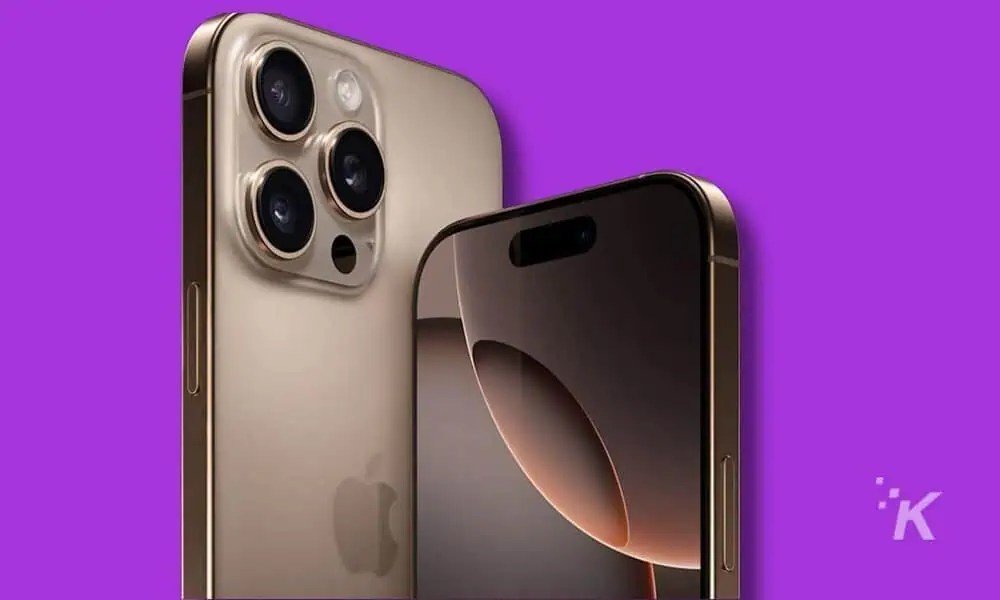
The smartphone industry operates in a unique blend of tight secrecy and relentless public speculation. Long before a sleek new device ever graces an official stage, the internet is awash with Pre-Release Rumors and Release Date Predictions. For tech enthusiasts and everyday consumers alike, these early whispers aren't just entertainment—they're a crucial guide, shaping purchasing decisions and building anticipation for the next big leap in mobile technology. But how do you navigate this sea of whispers to find the genuine signals? We're here to help you cut through the noise.
At a Glance: What to Expect from Next-Gen Flagships
- Samsung Galaxy S26 Series: Anticipate a late February Galaxy Unpacked event in 2026, a shift from Samsung's usual January slot. Expect the S26, S26+, and S26 Ultra, with the S26 Edge notably absent. Pre-orders should open immediately post-event, with a global retail release around March 11, 2026. Pricing will likely echo the S25 series, but rising component costs could nudge higher-tier prices up.
- iPhone 17 Series: Current rumors point to a traditional Fall 2025 launch event, possibly September 9th. Pre-orders could follow on September 12th, with sales commencing September 19th. Apple may be considering a phased release, potentially staggering base models and high-end variants (including a rumored foldable) across different launch windows in future years.
- Reading the Tea Leaves: Pre-release information, while exciting, should be viewed critically. Sources range from supply chain leaks and regulatory filings to analyst predictions and designer renders. Look for consistent patterns and multiple reputable sources to gauge reliability.
- Impact on You: Early information helps you plan upgrades, compare future features, and strategize trade-ins or budget allocations.
The Dance of Secrecy and Speculation: Why Pre-Release Info Dominates Tech News
Every year, as the leaves change color or the spring blooms, a familiar rhythm overtakes the tech world: the relentless drumbeat of pre-release rumors. For next-gen smartphones, this cycle starts almost as soon as the current flagships hit the market. Companies like Samsung and Apple invest billions into R&D, design, and manufacturing, all under a veil of extreme secrecy. Yet, bits and pieces inevitably escape, fueled by an intricate global supply chain, internal leaks, and an army of dedicated tech journalists and leakers.
This speculative environment is a double-edged sword. For consumers, it offers an exciting glimpse into the future, helping to manage expectations and inform potential upgrade plans. For manufacturers, it builds hype, but also risks premature judgment or even competitive disadvantage if information falls into the wrong hands. Understanding the sources and motivations behind these leaks is key to discerning fact from fiction.
Decoding Samsung's Next Move: The Galaxy S26 Series
Samsung's Galaxy S series has long been a benchmark for Android flagships, consistently pushing boundaries in camera technology, display innovation, and processing power. The upcoming Galaxy S26 series, comprising the S26, S26+, and S26 Ultra, is no exception, but its journey to market appears to be taking a slightly different path than previous generations.
The Rescheduled Unpacked Event and Product Lineup Shifts
Historically, Samsung has kicked off the year with its Galaxy Unpacked event in mid-to-late January, setting the tone for the Android ecosystem. However, for the S26 series, whispers suggest a significant departure: a late February launch event. This rescheduling stems from a strategic overhaul of the product mix.
Sources indicate that the "Edge" variant, which typically offers a distinct curved display or aesthetic, is being dropped. This decision reportedly follows "weak S25 Edge sales," suggesting a market preference for the more traditional S26, S26+, and S26 Ultra trio. This strategic simplification, alongside the iPhone 17's stable $799 price point providing market context, has necessitated a push back in manufacturing timelines, ultimately shifting the launch. Expect your Galaxy Unpacked invitations to hit inboxes the week of Monday, February 9th, setting the stage for the big reveal.
Looking slightly further ahead, a fourth smartphone, the Samsung Galaxy S26 FE (Fan Edition), is anticipated for 2026. This mid-range variant, known for bringing flagship features to a more accessible price point, won't launch alongside its premium siblings. Instead, it's slated for a release much later in the flagship's lifecycle, mirroring the Galaxy S25 FE's September 2025 debut. This staggered release helps Samsung maintain market attention and cater to different budget segments throughout the year.
Pre-Order Perks and Pricing Projections
Once the curtains fall on Galaxy Unpacked, the excitement transitions directly to pre-orders. For the Galaxy S26 family, expect these to open almost immediately, specifically on February 22nd. Samsung traditionally sweetens the deal with attractive pre-order offers, and this year should be no different. Anticipate standard incentives like discounts, bundled accessories, and increased trade-in values for your old device.
However, one particularly popular offer, the "double storage" upgrade (e.g., getting a 256GB model for the price of 128GB), might be at risk. The global rise in memory and storage costs could make this costly for Samsung. While it's not off the table entirely, it's something to watch out for during the announcement.
As for the all-important price tags, they'll be fully unveiled at Galaxy Unpacked. Initial expectations align closely with the Galaxy S25 family's pricing structure:
- Galaxy S26: Around $799
- Galaxy S26+: Around $999
- Galaxy S26 Ultra: Around $1,299
Yet, the aforementioned rising memory and storage costs introduce a potential wrinkle. This could translate to a modest ~$50 increase for higher storage tiers, or perhaps a steeper incline in price for memory/storage upgrades across the board. Savvy buyers will pay close attention to the base storage offerings and the pricing of step-up options.
Availability Timeline: When You Can Get Your Hands On It
After the grand reveal and the pre-order rush, the final stage is the retail release. Review embargoes for the Galaxy S26 series are expected to lift in the period between the Unpacked event and the general sale, giving you plenty of time to digest expert opinions before making a decision.
According to reports, including those from Dealabs, the retail release date for the Galaxy S26 series in Europe is slated for March 11, 2026 (Wednesday). This date is widely expected to be the global launch for key territories, meaning you could be unboxing your new Samsung flagship exactly two weeks after Galaxy Unpacked and less than a week after Mobile World Congress (MWC) concludes, showcasing Samsung's dominant presence in the early 2026 tech calendar.
Anticipating Apple's Next Chapter: The iPhone 17 Lineup
While Samsung typically kicks off the year, Apple traditionally owns the fall. The iPhone launch event is arguably the most anticipated consumer electronics event globally, and the iPhone 17 series is already generating significant buzz, with various iPad Pro 5th generation release date discussions often running parallel due to their shared ecosystem.
The Fall Release Tradition and Initial Predictions
Apple's iPhone launches have followed a remarkably consistent pattern for years: a major event in September, followed swiftly by pre-orders and then general availability. For the iPhone 17 series, multiple rumors are coalescing around a similar timeline.
Current predictions suggest the iPhone 17 series launch event date is September 9, 2025. Following this, pre-orders might commence on September 12th, with official sales starting a week later on September 19th. These dates align closely with the insights of well-respected journalists like Mark Gurman, who often has a reliable pulse on Apple's internal schedules. This consistent timing allows Apple to capitalize on holiday shopping trends and back-to-school purchases in key markets.
Future Release Strategies: Staggering and Segmentation
Beyond the immediate iPhone 17 release, Apple appears to be contemplating a more nuanced, phased release strategy for its future smartphone lineups. For the iPhone 17 series itself, you can expect the familiar spread of models – the base, Pro, Pro Max, and potentially an Air version – to be unveiled and released in Fall 2025.
However, a potential new player, an entry-level iPhone 17E, if it comes to fruition, might see a different launch window, possibly as late as February of the following year. This strategic separation could allow Apple to target different market segments more effectively without cannibalizing sales of its premium devices.
Looking even further ahead, reports suggest Apple may be considering a radical shift for Fall 2026. The company could opt to release only high-end models, including a rumored foldable iPhone, during its traditional fall event. This would push the release of the base model iPhone until Winter 2027. This strategy could allow Apple to command maximum attention for its most innovative (and expensive) products, giving them a longer spotlight before introducing the mass-market options. It's an interesting approach to stagger market attention and optimize sales cycles, though it would be a significant departure from current norms.
It's crucial to remember that while these predictions are compelling, Apple maintains strict secrecy. The company has not officially commented on the iPhone 17 series release date or any specific plans for its future release strategy. All information remains within the realm of rumor until Apple itself confirms it.
Why Rumors Matter (and How to Read Them)
For many, the anticipation of new technology is almost as exciting as the technology itself. Pre-release rumors, leaks, and predictions aren't just fodder for forums; they play a tangible role in the tech ecosystem.
Sources of the Whispers
Where do these rumors even come from? It's a complex web of sources:
- Supply Chain Leaks: Components for smartphones are manufactured by dozens, sometimes hundreds, of different suppliers across the globe. Each factory floor, each shipping manifest, is a potential point of leakage. Early CAD designs, component lists, and even finished parts often make their way online.
- Regulatory Filings: Before a device can be sold, it needs certification from various regulatory bodies (e.g., FCC in the US, TENAA in China). These filings often reveal model numbers, battery capacities, network bands, and sometimes even schematics or basic images, long before an official announcement.
- Insiders and Analysts: Individuals working within the companies, or analysts with deep connections, often have early knowledge. While bound by NDAs, information can sometimes slip, either directly or through carefully worded public statements that hint at future plans. Mark Gurman, cited earlier for iPhone predictions, is a prime example of a journalist with deep insider access.
- Case Manufacturers and Accessory Makers: These companies need to start manufacturing accessories well in advance of a phone's launch to have them ready on day one. They often receive early design specifications (sometimes even dummy units), which can then be leaked or used to create renders.
- Software Code Dives: Developers often find clues about upcoming hardware embedded within beta versions of operating systems (iOS or Android), revealing new features, camera modes, or even device names.
Distinguishing Fact from Fiction
With so many sources, how do you tell what's legitimate?
- Look for Consistency: If multiple, independent sources are reporting the same detail (e.g., the S26 Ultra retaining the familiar camera array or the iPhone 17's specific launch window), its likelihood increases significantly.
- Consider the Source's Track Record: Some leakers or publications have a reputation for accuracy, while others are known for wild speculation. Over time, you learn who to trust.
- Evaluate Plausibility: Does the rumor make sense within the context of the company's past strategies, current market trends, and technological capabilities? A rumor about a completely redesigned battery tech might be exciting, but is it plausible for a 2025/2026 release cycle given typical development times?
- Official Statements (or Lack Thereof): Companies rarely confirm rumors, but their silence or generic "no comment" often signals that there's something to the speculation, even if the details are off.
The Impact on Your Buying Decisions
Knowing what's potentially on the horizon can profoundly influence your purchasing decisions.
- Upgrade Planning: If you're due for an upgrade, knowing Samsung is pushing its launch to late February or that Apple might stagger its base model release could make you hold off on buying the current generation.
- Budgeting: Early pricing estimates, even if approximate, help you budget for a new device, especially if significant price increases are rumored due to component costs.
- Feature Comparison: Rumored features (e.g., specific camera improvements, new display tech, AI capabilities) allow you to compare potential future devices with current offerings and competing brands, helping you decide if the wait is worthwhile.
- Trade-in Strategy: If a new device is just weeks away, you might want to finalize your trade-in plans to get the best value for your current phone.
Beyond the Headlines: What These Predictions Mean for You
The constant stream of pre-release rumors and release date predictions can feel like a game of 'will they, won't they?' but it serves a vital purpose for consumers. It empowers you with information, even if tentative, to make more informed choices in a rapidly evolving market.
As we look towards the Samsung Galaxy S26 series arriving in late February/early March 2026 and the iPhone 17 series in September 2025, these early insights are more than just speculation. They are a valuable resource for planning your tech future. Remember to approach all pre-release information with a healthy dose of skepticism, prioritize verified leaks and reputable sources, and use the insights to align your needs with the industry's next innovations. The future of mobile is always just around the corner, and now you're better equipped to anticipate its arrival.